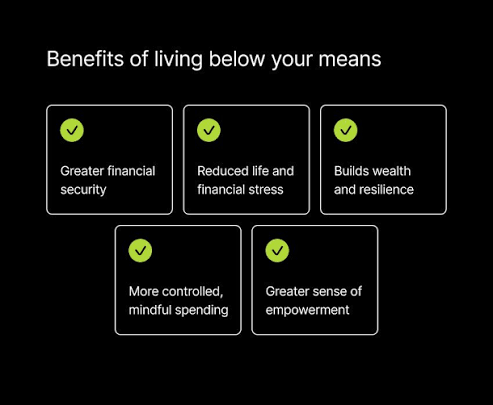

Minimalism isn’t just about owning fewer things — for many Canadians, it’s become a practical approach to budgeting that emphasizes intentional spending over accumulation. This mindset shift often leads to reduced financial stress and increased savings, without feeling like deprivation.
What Minimalist Budgeting Actually Means
Minimalist budgeting focuses on spending deliberately on what genuinely adds value to your life, while cutting out purchases made from habit, social pressure, or fleeting impulse. It’s less about strict rules and more about intentionality.
Why This Approach Resonates With Many Canadians
Rising costs and cluttered lifestyles have led many people to reconsider whether more possessions actually translate into more happiness. Minimalist budgeting offers a practical framework for aligning spending with genuine priorities rather than default consumer habits.
Step 1: Identify What Truly Adds Value to Your Life
Reflect on which purchases and experiences genuinely bring satisfaction versus those that were made out of habit or comparison to others. This reflection forms the foundation of a minimalist approach to spending.
Step 2: Reduce Discretionary Categories Deliberately
Rather than cutting everything indiscriminately, identify specific categories — perhaps clothing, subscriptions, or dining out — where you can meaningfully reduce spending without sacrificing what matters most to you.
Step 3: Embrace a “One In, One Out” Rule for Purchases
For physical items, consider a rule where a new purchase requires removing something similar. This naturally slows down accumulation and encourages more thoughtful buying decisions. Manually tracking every transaction gets tiring fast, which is why so many Canadians turn to digital tools. A well-designed budgeting app can sync with your accounts, flag overspending in real time, and show you exactly where your money is going without spreadsheets or guesswork. Look for a budgeting app canada that offers automatic categorization, custom savings goals, and clear visual reports — features that make monthly budgeting far less tedious.
Step 4: Redirect Savings Toward Meaningful Goals
Money saved through minimalist spending habits can be redirected toward financial goals that matter more to you, whether that’s an emergency fund, travel, or early debt repayment.
Step 5: Track Spending to Reinforce Intentionality
A spending tracker helps you see clearly whether your actual spending aligns with your minimalist values, providing useful feedback as you refine your approach over time.
Practical Tips for Minimalist Budgeting
• Unsubscribe from marketing emails and reduce social media exposure to lower unnecessary spending triggers
• Focus on quality over quantity for purchases you do make, buying fewer but longer-lasting items
• Regularly declutter and consider selling unused items, redirecting proceeds toward savings goals
• Reevaluate subscriptions regularly, keeping only those that provide genuine ongoing value
• Practice gratitude for what you already own rather than constantly seeking new purchases
Minimalism Without Extreme Restriction
Minimalist budgeting doesn’t require eliminating all non-essential spending. The goal is intentionality — spending on what genuinely matters to you while cutting out purchases made from habit or social comparison, rather than adopting a rigid, joyless approach to money.
How Minimalism Supports Broader Financial Goals
Many people find that minimalist spending habits naturally accelerate their broader financial planning goals, since money that would have gone toward unnecessary purchases can instead build savings, pay down debt, or fund experiences that align with personal values.
Conclusion
Minimalist budgeting offers a refreshing alternative to traditional restrictive budgeting, focusing on intentional spending rather than strict limits. By identifying what truly adds value, reducing discretionary spending deliberately, and redirecting savings toward meaningful goals, you can build a financial life that feels both simpler and more fulfilling.
Frequently Asked Questions
1. Is minimalist budgeting the same as extreme frugality? No, minimalist budgeting focuses on intentional spending aligned with personal values, not necessarily spending the absolute minimum possible.
2. How do I identify what truly adds value in my spending? Reflecting on which past purchases brought lasting satisfaction versus fleeting excitement can help clarify your genuine priorities.
3. Can minimalist budgeting work for families, not just individuals? Yes, families can adopt minimalist principles by focusing shared spending on experiences and items that align with collective family values.
4. Does minimalist budgeting mean I can’t buy anything for fun? No, it simply encourages intentional spending on things that genuinely matter to you, rather than eliminating enjoyment from your budget entirely.
5. How quickly can minimalist budgeting improve my finances? This varies by individual circumstances, but many people notice reduced spending and increased savings within the first few months of adopting more intentional habits.


