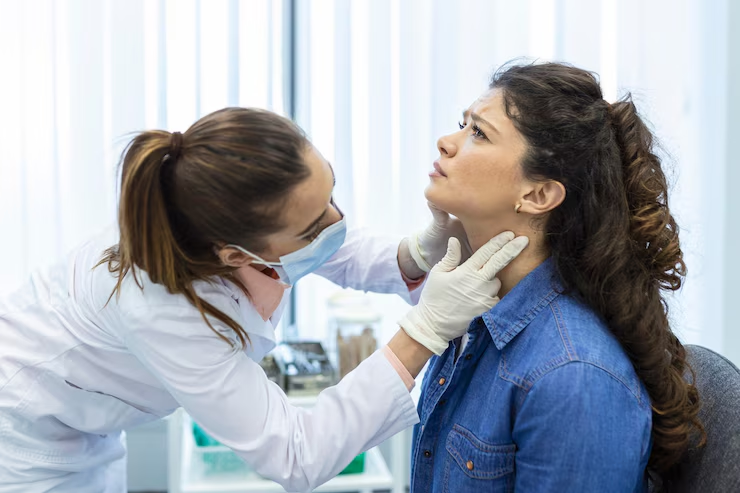

Chin implants, or chin augmentation, are a popular cosmetic procedure designed to improve the balance and proportion of a person’s face. Whether you’re looking to enhance your facial profile, correct a recessed chin, or achieve better harmony between your facial features, chin implants can offer a significant improvement. However, like any surgery, chin augmentation requires proper care during the recovery phase to ensure the best possible results.
This guide will walk you through the chin implant recovery process, detailing what to expect, how to manage discomfort, and tips for achieving the best outcome. Whether you’re planning to undergo the procedure or have recently had it, understanding the recovery stages can help you navigate the process with ease.
What Is a Chin Implant?
A chin implant, also known as chin augmentation, is a surgical procedure in which a prosthetic implant is placed in the chin area to enhance its size or shape. The implant is typically made of silicone or another biocompatible material and is customized to fit the patient’s anatomy and aesthetic goals. Chin implants are often performed as a standalone procedure, but they may also be combined with other facial surgeries, such as rhinoplasty, for more comprehensive facial enhancement.
The Chin Implant Recovery Process
The recovery process after chin implant surgery varies from person to person, but it generally follows a predictable pattern. Below, we will break down what you can expect during the recovery stages, including immediate post-surgery care, the healing timeline, and long-term care for optimal results.
1. First 24-48 Hours: Post-Surgery Care
The first 24 to 48 hours following chin implant surgery are critical for your recovery. During this time, it is essential to follow your surgeon’s post-operative instructions closely to ensure a smooth recovery and minimize the risk of complications.
Immediate Aftercare
- Rest: After surgery, it’s important to rest and avoid any strenuous physical activity. Most patients will feel groggy from anesthesia, so taking it easy during the first few days is essential.
- Pain Management: Some discomfort is expected after chin implant surgery, including swelling and mild pain. Your surgeon will prescribe pain medication to help manage any discomfort. Over-the-counter pain relievers may also be recommended.
- Cold Compresses: Applying cold compresses to the chin area can help reduce swelling and bruising in the first 48 hours.
- Follow-Up Appointment: You’ll typically have a follow-up appointment with your surgeon within the first week to ensure that the implant is healing correctly and that there are no signs of infection.
2. Week 1: Managing Swelling and Bruising
During the first week of recovery, you may experience significant swelling and bruising around the chin and jawline. These side effects are normal and usually begin to subside after the first few days.
Managing Swelling and Bruising
- Swelling: Swelling is the body’s natural response to surgery, and it is typically most noticeable around the chin and jaw. To help reduce swelling, keep your head elevated as much as possible, especially while sleeping. Avoid placing pressure on the chin area.
- Bruising: Bruising is another common side effect and may appear around the chin, neck, and lower face. While bruising can be alarming, it usually resolves on its own within a week or two.
- Dietary Adjustments: During the first week, eating soft foods may be necessary, as chewing may cause discomfort. Avoid hard, chewy, or hot foods that could irritate the surgical site.
- Hygiene: Keeping the surgical area clean is important to avoid infection. Your surgeon will provide you with specific instructions for gently cleaning the area and using prescribed oral rinses to maintain hygiene.
3. Week 2-4: Reducing Discomfort and Resuming Light Activities
By the second to fourth week of recovery, much of the initial swelling and bruising will begin to subside. At this stage, many patients can return to light activities, but it’s important to continue avoiding strenuous exercises or activities that could disrupt the healing process.
Returning to Normal Activities
- Physical Activity: Most patients can resume light activities, such as walking or light stretching, after two weeks. However, it’s essential to avoid activities that put pressure on the chin, such as bending over or lifting heavy objects, until you receive clearance from your surgeon.
- Discomfort: By this time, most patients report a significant reduction in pain and swelling. However, mild tenderness or tightness around the chin area may persist for several weeks.
- Massage and Movement: Your surgeon may recommend gentle massage techniques to help reduce any residual swelling and promote better circulation in the chin area.
4. Week 4-6: Achieving Noticeable Results
At the four to six-week mark, most of the swelling and bruising will have significantly diminished, and your chin will begin to take on its final shape. The majority of the discomfort will have resolved, although you may still experience minor swelling or tightness.
Long-Term Healing
- Chin Shape: As the swelling continues to subside, the shape of your chin will become more defined. You’ll be able to appreciate the aesthetic changes made by the implant, including improved facial symmetry and proportion.
- Activity Resumption: By six weeks, most patients are cleared to resume more strenuous activities, including exercise and sports. However, you should still avoid any contact sports or activities that may cause trauma to the chin area.
5. 3-6 Months: Final Healing and Results
It can take up to six months for the full results of your chin implant to become apparent. During this time, any residual swelling will continue to fade, and the implant will fully integrate into the surrounding tissue.
Long-Term Recovery Considerations
- Subtle Swelling: While most of the swelling will have gone down, you may notice slight residual swelling in the months following surgery. This is completely normal and should gradually improve over time.
- Scar Healing: If an incision was made under the chin, the scar may take several months to fully heal and fade. In most cases, the scar will be well-concealed and difficult to see once it has healed completely.
Tips for a Smooth Chin Implant Recovery
To ensure the best possible recovery, follow these practical tips:
- Follow Your Surgeon’s Instructions: Adhering to your surgeon’s post-operative care guidelines is the most important step in ensuring a smooth recovery.
- Stay Hydrated: Drinking plenty of water can help with healing and reduce swelling.
- Avoid Smoking and Alcohol: Smoking and alcohol can impair the healing process and increase the risk of complications.
- Take It Easy: Rest is crucial in the first few weeks of recovery, so be sure to take breaks, avoid stress, and let your body heal.
- Wear a Compression Garment (If Recommended): Some patients may be advised to wear a compression garment to reduce swelling and support the healing process.
Potential Complications and Risks
While chin implant surgery is generally safe, there are potential risks and complications that you should be aware of:
- Infection: As with any surgical procedure, there is a risk of infection. Following post-operative care instructions and keeping the surgical area clean can help minimize this risk.
- Asymmetry: In rare cases, the implant may shift or cause asymmetry. If this occurs, you may need a follow-up procedure to correct the issue.
- Nerve Damage: Temporary nerve damage may cause numbness or tingling in the chin or lower lip. This is usually temporary, but in rare cases, it can be permanent.
Conclusion
Chin implant recovery is a gradual process that requires patience and proper care. By understanding the stages of healing and following your surgeon’s instructions, you can help ensure that your recovery goes smoothly and that you achieve the desired results. Whether you are looking to enhance your facial profile or correct an imbalance, chin implants can offer significant aesthetic benefits. Remember, your surgeon is your best resource for guidance throughout the recovery process, and by taking the necessary precautions, you can enjoy the full benefits of your chin augmentation.


