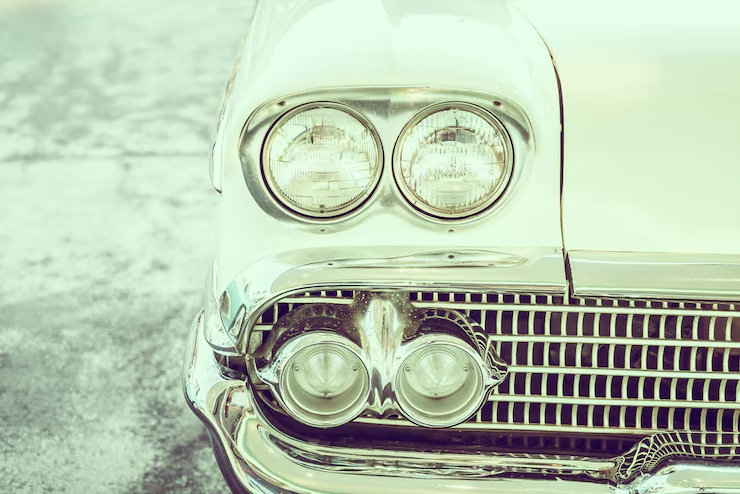

Owning a classic Mercedes-Benz is about more than just enjoying a timeless design—it’s about preserving a piece of automotive history. Whether you’re restoring a W113 Pagoda, a W123 sedan, or a legendary 300SL, the availability and quality of MB classic parts are vital to achieving authenticity, performance, and value. This detailed 2000-word guide explores how to find, understand, and use MB classic parts to keep your Mercedes-Benz running and looking its best.
Understanding MB Classic Parts
MB classic parts refer to original or high-quality reproduction components manufactured for older Mercedes-Benz vehicles. These parts are essential for:
- Maintaining the originality of vintage models
- Ensuring optimal performance and safety
- Preserving vehicle value over time
These parts can include mechanical components, body panels, interior trims, electrical systems, and accessories designed specifically for classic Mercedes-Benz models.
Why Original MB Classic Parts Matter
1. Fit and Compatibility
Mercedes-Benz parts are engineered with precision. Original parts ensure seamless compatibility, reducing installation issues and long-term maintenance problems.
2. Vehicle Value
Classic cars retain higher value when restored or maintained using genuine or OEM parts. Collectors and enthusiasts often verify parts authenticity before making purchases.
3. Performance Reliability
Using factory-spec components maintains the performance characteristics the vehicle was originally designed for.
4. Authentic Appearance
From chrome trims to upholstery stitching, the look and feel of original MB classic parts keep the vintage aesthetic intact.
Categories of MB Classic Parts
1. Mechanical Components
- Engine parts (gaskets, pistons, camshafts)
- Transmission parts
- Suspension and steering systems
- Braking systems
2. Electrical and Lighting
- Wiring harnesses
- Relays, fuses, and switches
- Original lighting elements and indicators
3. Body and Trim
- Fenders, hoods, doors, and bumpers
- Chrome accents and badges
- Weatherstripping and seals
4. Interior Components
- Dashboards and panels
- Original seats and upholstery fabrics
- Gauges, knobs, and switches
5. Accessories and Miscellaneous
- Original toolkits
- Classic hubcaps and wheels
- Radios, clocks, and mirrors
Popular Mercedes-Benz Classic Models Requiring MB Classic Parts
- W113 “Pagoda” SL (1963–1971)
- W121 190SL (1955–1963)
- W111 Coupés and Cabriolets (1959–1971)
- W123 Series (1976–1985)
- R107 SL-Class (1971–1989)
- W124 Series (1984–1995)
- W201 190E (1982–1993)
- W198 300SL Gullwing and Roadster
Identifying Authentic MB Classic Parts
1. Part Numbers
Genuine MB parts come with original Mercedes-Benz part numbers. These can be cross-referenced with factory service manuals or databases.
2. Manufacturer Markings
Look for brand-specific stamps or labels from Mercedes-Benz or approved OEM suppliers such as Bosch, Hella, or Behr.
3. Packaging and Documentation
Original parts are often shipped with branded packaging, barcodes, and sometimes instruction sheets in multiple languages.
4. Visual Inspection
Compare dimensions, materials, and construction with known original parts.
Challenges in Finding MB Classic Parts
- Discontinued Components: Some parts are no longer in production.
- Reproductions vs. Originals: Not all available parts meet original specs.
- Condition Issues: Used parts may show signs of wear or rust.
- Counterfeit Parts: Fake components can be harmful to vehicle integrity.
Tips for Sourcing MB Classic Parts
1. Use Specialized Suppliers
Many businesses specialize in classic Mercedes-Benz parts and maintain direct lines with MB Classic centers.
2. Attend Classic Car Shows and Swap Meets
These events offer networking opportunities and access to rare parts.
3. Join Online Communities and Forums
Classic Mercedes forums can provide advice, seller recommendations, and firsthand reviews of parts.
4. Reference Parts Catalogs
Use digital or printed Mercedes-Benz EPCs (Electronic Parts Catalogs) to ensure compatibility.
Restoring a Classic Mercedes-Benz with MB Classic Parts
Step 1: Planning the Restoration
Assess the condition of the car and list needed parts. Prioritize mechanical safety and structural integrity.
Step 2: Sourcing Parts
Start with essential components. Use VIN-specific catalogs to ensure accuracy.
Step 3: Professional vs. DIY Installation
Determine which tasks require expert mechanics and which can be safely handled by experienced DIYers.
Step 4: Documentation
Keep records of all parts purchased, including photos and receipts. This increases resale value and aids in future maintenance.
Maintaining Classic Mercedes-Benz Vehicles
Owning a classic Benz is an ongoing commitment. Use MB classic parts for routine maintenance:
- Regular Oil and Filter Changes
- Brake System Inspections
- Coolant and Transmission Fluid Flushes
- Rubber Component Checks (bushings, hoses, seals)
- Electrical System Cleanups
Cost Considerations
1. Budget Planning
Restoring or maintaining a classic Mercedes with authentic parts can be expensive. Plan a phased approach if needed.
2. Quality Over Price
Avoid cheap imitations. Inferior parts can lead to costly failures and diminish vehicle value.
3. Bulk Purchases
Consider buying parts in sets (e.g., suspension kits) to reduce shipping costs and downtime.
MB Classic Centers and Support
Mercedes-Benz offers official support through its global network of MB Classic Centers. These facilities provide:
- Original factory parts
- Expert restoration services
- Technical advice for classic owners
- Archive access for historical build data
Environmental and Ethical Considerations
Restoring a classic vehicle with MB classic parts supports sustainability by extending the lifespan of existing materials and machinery. It also reduces the environmental cost of manufacturing new vehicles and avoids sending classics to scrap yards.
Common Myths About MB Classic Parts
Myth 1: You can’t find original parts anymore.
Reality: Many parts are still available through MB Classic programs and specialized suppliers.
Myth 2: Aftermarket is always bad.
Reality: Some aftermarket parts, especially OEM-approved, can match or exceed factory specs.
Myth 3: Restoring with MB parts costs a fortune.
Reality: While not cheap, phased restoration and smart sourcing make it manageable.
Future of MB Classic Parts
Mercedes-Benz continues to invest in heritage preservation. With rising interest in electric conversions and vintage car preservation, the demand for MB classic parts will likely increase. Expect advancements in:
- 3D Printing of Discontinued Parts
- Digital Restoration Services
- Increased OEM Reproductions
- Expanded Online Catalogs and Support Tools
Frequently Asked Questions
Q: How can I verify if a part is genuine?
A: Check the part number, inspect packaging, and consult your local MB Classic Center or EPC.
Q: Are reproduction parts worth it?
A: High-quality reproductions from reputable manufacturers are often acceptable when originals aren’t available.
Q: What’s the best model to restore with available parts?
A: Models like the W123 and R107 have robust parts availability and strong community support.
Q: Can I restore a classic Mercedes myself?
A: With the right tools and knowledge, many enthusiasts do. But some systems (e.g., fuel injection, bodywork) may require professionals.
Conclusion
MB classic parts are the lifeblood of any vintage Mercedes-Benz restoration or maintenance project. Whether you’re a seasoned collector or a first-time classic car owner, using the right parts ensures your vehicle remains a rolling piece of art and engineering history.


